Best Football for Hard Grounds in India — Can a ₹369 Ball Handle Daily Use?
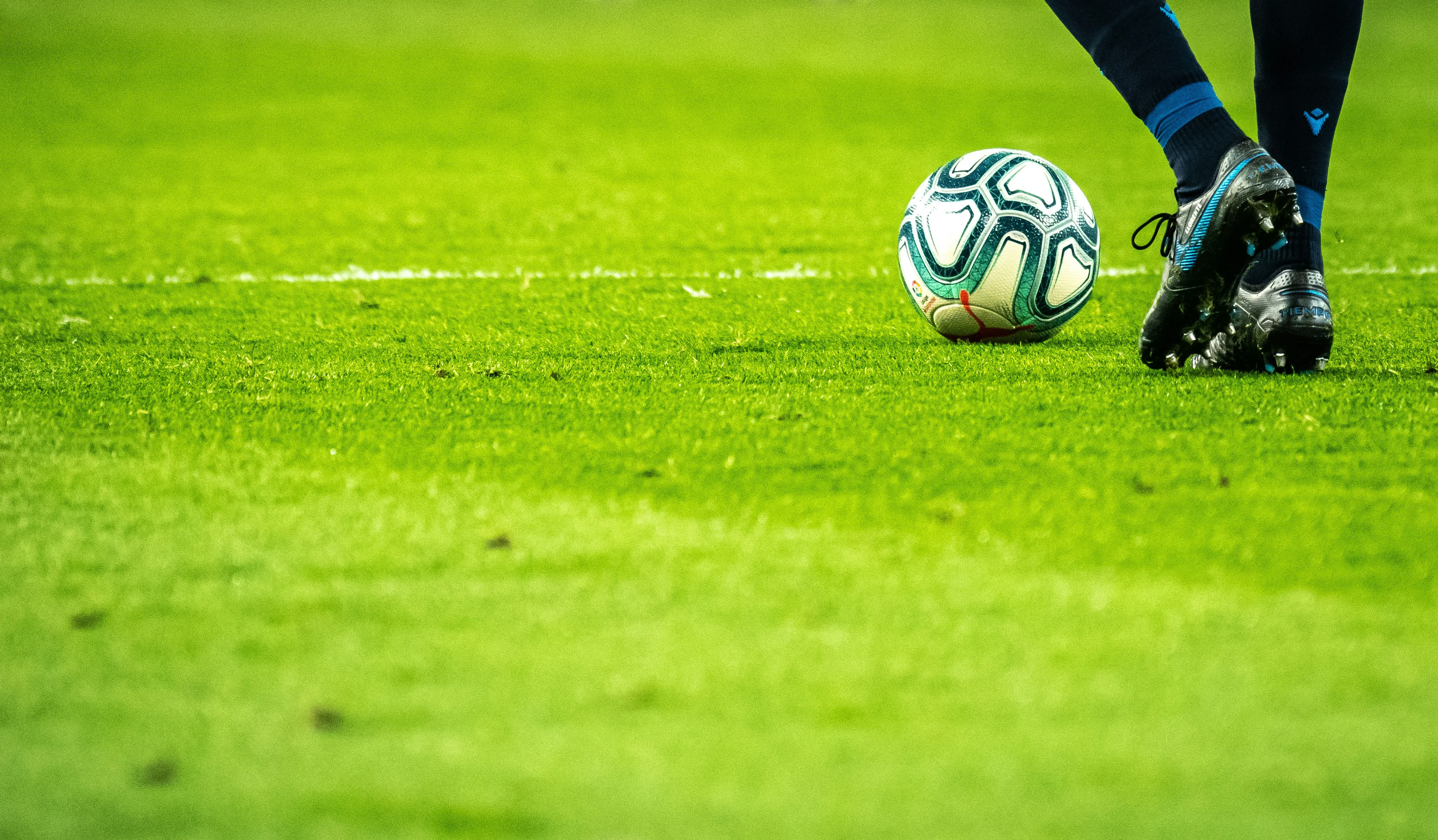
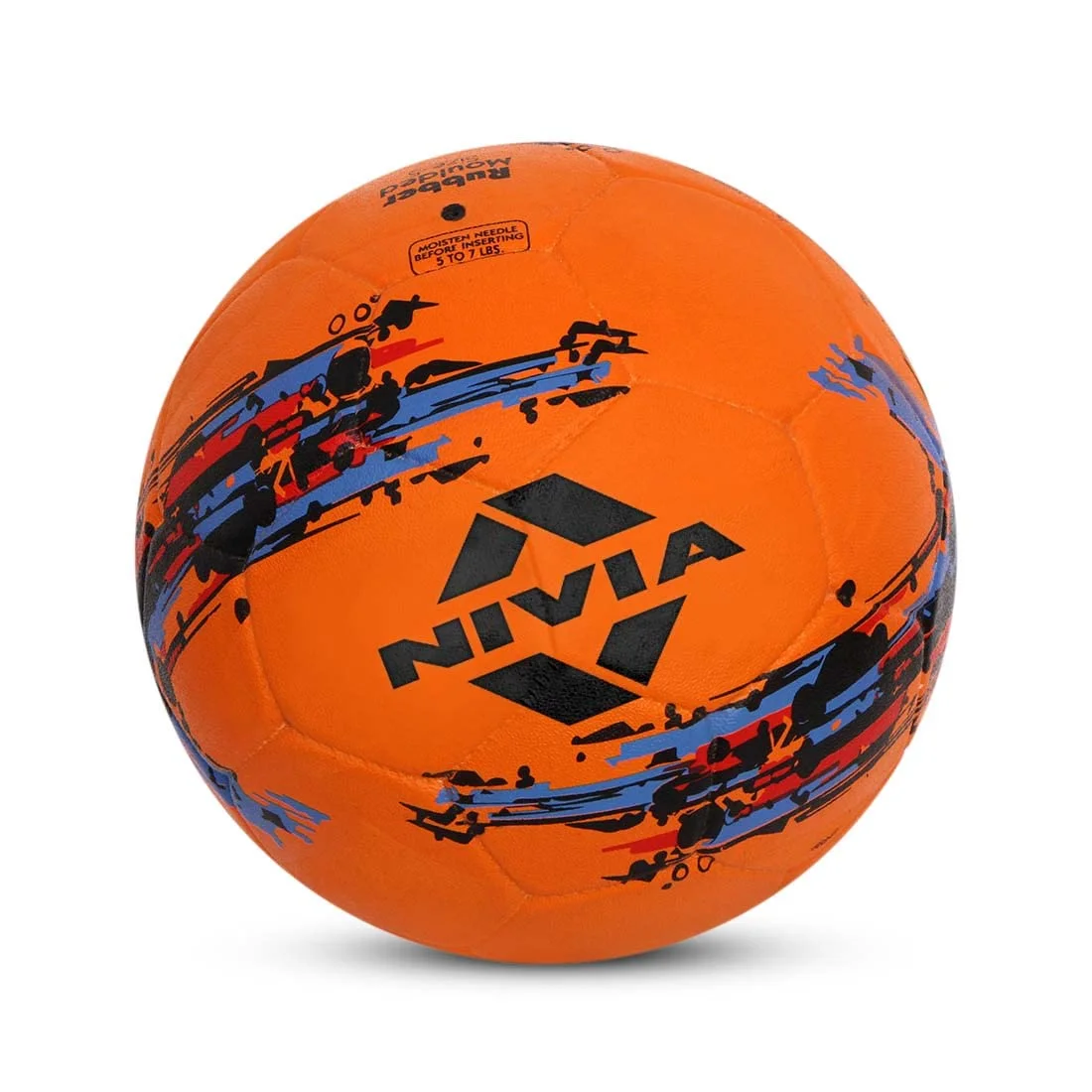
We tested the Nivia Storm — a ₹369, 32-panel training football with a butyl, thread-wound bladder built for hard grounds — to find out if it's the best budget football to buy in India this season.
In This Article
Key Highlights
- ₹369 — one of the most affordable Size 5 footballs in India
- 32-panel molded rubber construction for hard grounds
- Butyl, thread-wound bladder — holds air for a week+
- Built for concrete, asphalt, and rough turf — not grass
- From Nivia, manufactured in Jalandhar with a trusted sports pedigree
Size
5 (Standard Adult/Teen Size)
Material
Molded Rubber Cover
Bladder
Butyl, Thread-Wound
Panels
32-Panel Construction
Suitable Surface
Hard Ground, Turf & Asphalt
Weight & Circumference
410-450g, 68-70cm Circumference (FIFA Size 5)
Pros
- Molded rubber cover built to handle concrete, asphalt, and rough turf without quick wear
- Butyl, thread-wound bladder holds air pressure far longer than latex — fewer mid-week top-ups
- Classic 32-panel design gives a true, predictable roll for passing and shooting drills
- Budget-friendly enough to keep a spare in the kit bag
- From Nivia, a sports brand most Indian players already know
Cons
- Built for hard grounds and training, not a FIFA-approved match ball for turf or grass
- Ships partially deflated — you will need a needle pump before first use
- Available in this size only in Orange
Our Verdict
At ₹369, the Storm's molded rubber cover and butyl, thread-wound bladder make it a tough, low-maintenance training ball for the hard grounds most Indian players actually use.
Ever bought a "football" online, kicked it around twice on the terrace, and watched it go soft by the weekend? If concrete, gravel, and patchy society lawns are your home ground, most footballs simply weren't built for where you actually play.
Football season in India rarely happens on grass. It happens on rooftops, in school playgrounds, on cracked tar roads, and in the gully outside your building — and with World Cup football dominating screens through 2026, every spare patch of concrete is about to become a five-a-side pitch.
We picked up the Nivia Storm to see whether a budget training ball can survive the kind of daily abuse most footballs in India never get tested for — and whether the numbers on the spec sheet actually translate into something you'd feel mid-match, or just look good on a listing.
What to Look for in a Football for Indian Conditions
Size: Size 5 is the standard for adults and teenagers (roughly age 13+); Size 4 suits ages 8-12, and Size 3 is for younger kids.
Cover material: Molded rubber covers are tougher and cheaper — built for rough surfaces. PU and synthetic leather covers feel softer but wear out faster on concrete and asphalt.
Bladder type: Butyl bladders hold air longer between pumps; latex bladders feel marginally softer off the foot but need topping up more often.
Panel construction: A 32-panel design is the classic, proven shape for a true, predictable roll — useful for passing drills and finishing practice.
Surface rating: Check whether a ball is labelled for "hard ground", "turf", or "match" use — a match-grade ball played on tarmac will scuff and deflate far faster than one built for it.
Nivia Storm Football, Size 5: Full Review
At ₹369, the Nivia Storm sits firmly in "buy two, keep a spare" territory — and that's by design. It's built as a Basic Standard training ball for Size 5 play, with a molded rubber cover meant to take the abrasion of asphalt, gravel, and rough turf without falling apart after a few sessions.
The 32-panel construction is the same classic layout used on most footballs you'll recognise on sight — alternating panel shapes molded into a sphere that rolls true and predictably, which matters more than it sounds once you start working on passing accuracy or shooting drills rather than just kicking it around.
Inside, the Storm uses a butyl bladder with thread-wound construction — a detail that's easy to skip past on a spec sheet but makes a real difference in how often you're reaching for a pump. Butyl holds air pressure noticeably longer than the latex bladders found in cheaper balls, and the nylon thread winding around the bladder helps the ball keep its shape under repeated impact.
Nivia is distributed out of Jalandhar, Punjab — India's long-established sporting goods manufacturing hub, where a large share of the country's footballs, gloves, and protective gear are made and shipped from. It's a brand most Indian players will already recognise from school sports days, local tournaments, and neighbourhood sports shops.
Who it suits: anyone who needs one ball that can live in a kit bag, survive a hard-ground pitch or a school playground, and take the occasional wall-pass against your building's compound — without you having to baby it.
Why 32 Panels and a Butyl Bladder Actually Matter
Cut open almost any football and you'll find four things doing the work: a bladder at the core, a layer of wound thread around it, a reinforced fabric lining, and an outer cover that takes the actual hits. The Storm follows that same build — a butyl, thread-wound bladder for air retention and shape, wrapped in a reinforced mid-layer fabric for structure, and finished with a molded rubber outer that's the part actually scraping against tarmac every time you take a shot.
So why does panel count matter? A 32-panel ball is built from a mix of pentagons and hexagons — the layout that's been the default "football shape" for decades, for good reason. More panels generally means a rounder, more consistent sphere, which translates to a truer roll and more predictable bounce. For training — passing drills, juggling, shooting practice — that consistency is what lets you actually feel yourself improving, rather than chasing a ball that wobbles unpredictably off your foot.
The bladder question is less visible, but arguably matters more day-to-day. A butyl bladder loses air slower than a latex one — often holding pressure for a week or more versus a couple of days — which means less time hunting for a pump before you can play, and a ball that feels consistent from one session to the next instead of progressively "softer" by Thursday.
Football Buying Guide for Indian Players
What Size Football Should You Buy?
Size 5 is the standard adult and teenage football — the size used in the Indian Super League, school senior teams, and pretty much every five-a-side game you'll join as an adult. If you're buying for someone under 13, a Size 4 ball is easier to control and kinder on smaller feet; for kids under 8, Size 3 is the usual recommendation. The Storm reviewed here is Size 5, which covers the vast majority of casual and training use cases for teenagers and adults.
Hard Ground, Turf, or Match — Does the Surface Rating Matter?
It does, more than most buyers expect. A "match" ball is optimised for grass — a softer touch, often a PU cover — and tends to scuff and lose shape quickly on concrete or asphalt. A "hard ground" or "training" ball, like the Storm, flips that trade-off: a tougher, more abrasion-resistant cover at the cost of a slightly firmer touch. If most of your football happens on terraces, society driveways, school courts, or patchy maidans rather than maintained turf — which describes the majority of casual football in India — a hard-ground ball will simply last longer and need replacing less often.
One more kit-bag essential worth sorting before the season properly kicks off: a bottle that can keep up with back-to-back sessions in Indian heat. Our insulated water bottle review covers a 1-litre option built to hold cold water through a full evening of training.
The Verdict
At ₹369, the Nivia Storm does what a training ball at this price needs to do: it's built to survive hard grounds, holds its air longer than latex-bladder balls thanks to the butyl, thread-wound construction, and rolls true thanks to a proven 32-panel shape. It isn't a match-grade ball for turf or grass, and Nivia doesn't market it as one — but for everyday football on the surfaces most Indian players actually use, that's close to beside the point.
If you want one ball that lives in your car boot or kit bag and gets kicked around wherever you end up — rooftop, road, or rented turf — this is an easy, low-stakes pick.
Frequently Asked Questions
Is the Nivia Storm suitable for official matches, or just training?
The Storm is built as a Basic Standard training ball, designed primarily for hard grounds rather than as a FIFA-approved match ball for grass pitches. For school matches, five-a-side games, and casual league play on turf or concrete, it performs perfectly well. If you're playing in a certified league that requires an approved match ball for a grass pitch, you'd want a dedicated match-grade ball instead — but for training, warm-ups, and the vast majority of casual football played across India, the Storm covers the job comfortably.
Will this ball survive being played on rough or concrete surfaces?
Yes — that's specifically what it's built for. The molded rubber cover is designed to be abrasion-resistant, which is the property that matters most on tarmac, gravel, or rough courts, where softer PU or synthetic leather covers tend to scuff and split. Combined with the thread-wound butyl bladder underneath, the Storm is built to take repeated impact on hard surfaces without losing its shape — exactly the kind of football most casual Indian players need, since well-maintained grass pitches aren't always easy to find.
What's the difference between a butyl and a latex bladder, and why does it matter?
A bladder is the air-filled chamber inside every football, and its material affects two things: how long the ball holds air, and how it feels off the foot. Latex bladders feel slightly softer and more responsive but lose air faster — often needing a top-up every couple of days. Butyl bladders, like the one in the Storm, hold pressure for noticeably longer — often a week or more — at the cost of a marginally firmer feel. For a ball you'll use a few times a week without wanting to keep a pump within reach, butyl is the more practical choice.
Does the Nivia Storm come pre-inflated, and what pump do I need?
Footballs are typically shipped partially deflated for safe packaging, so plan to inflate it before first use with a standard needle-style ball pump — the same type used for basketballs and volleyballs. A light coating of silicone oil or glycerin on the inflation needle before inserting it helps protect the valve and makes future top-ups easier. Inflate gradually and judge the ball's firmness by feel rather than going by a fixed number of pumps, since over-inflating can shorten the bladder's lifespan over time.
Is Size 5 the right choice for adults and teenagers, or should I look at other sizes?
For anyone aged roughly 13 and up, Size 5 is the standard — it's the size used in adult football at every level, from the Indian Super League down to local five-a-side games, so there's no need to size up. If you're buying for a younger player, a Size 4 ball (typically ages 8-12) is easier to control and reduces strain on developing muscles, while Size 3 suits children under 8. For mixed-age groups — a family, or a coaching group spanning several age bands — owning one Size 5 and one Size 4 ball comfortably covers most situations.
Final Thoughts
With World Cup football dominating timelines and group chats through 2026, it's a good time to have a ball that's actually ready to play — rather than one that's been sitting half-flat in a cupboard since last monsoon. At ₹369, the Nivia Storm isn't trying to be a collector's item or a match-day showpiece; it's a tough, butyl-bladdered, 32-panel ball built for the hard grounds most of us actually play on, and that's a fair trade for the price.
Heading out for an evening session? Pair it with a solid pair of wireless earbuds for the warm-up playlist or the ride to the ground — one less thing to think about before kickoff.
A Training Ball That Handles Rough Grounds?
The Nivia Storm is a 32-panel, machine-stitched football built for hard and rough surfaces — rubber-moulded for daily use at just ₹369.
Check Nivia Storm Football on Amazon